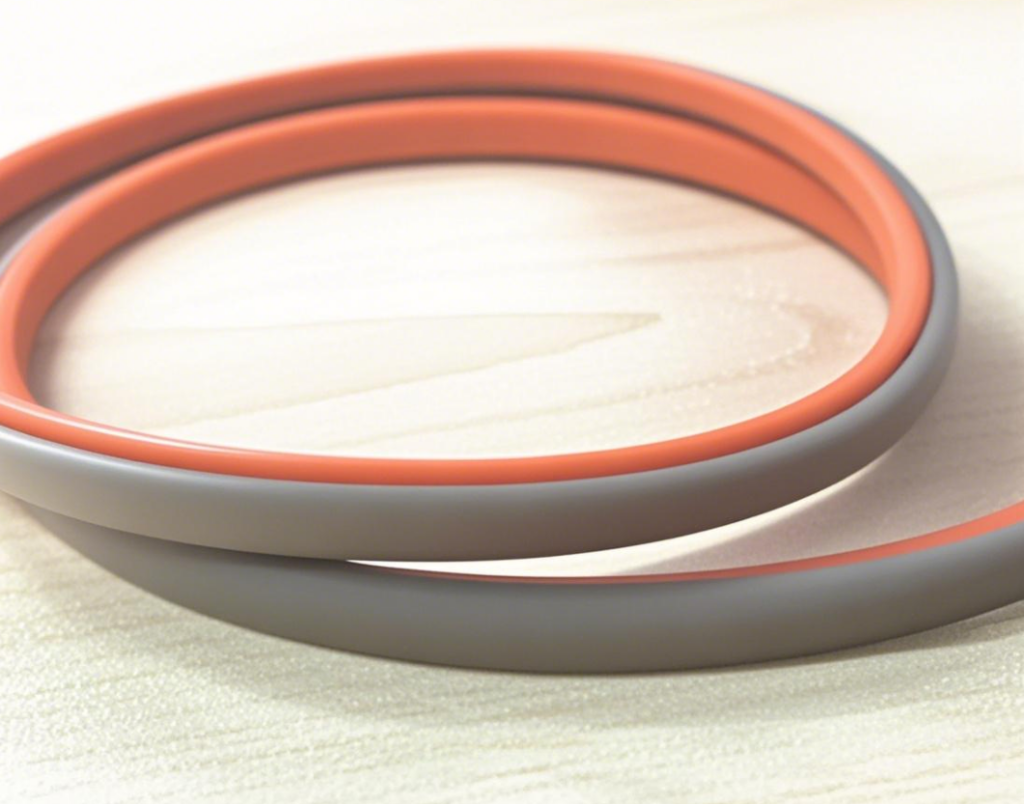
Introducing the following write-up presents perspectives concerning silicone compound plus electron-flowing silicone rubber components pertaining to RFI safeguarding.
Silicone rubber compounds are commonly applied in supple functions on account of their distinguished fortitude and molecular stability. Although, their intrinsic deficiency of electron flow limits the effectiveness in certain computing operations.
The fusion of charge conveying colloidal materials, especially silver-infused loaded among the polydimethylsiloxane matrix, builds a complementary effect forming Conductive SR a charge-transferring matrix permitting efficient EMC suppression.
That plans empower assemblies to block invasive radio frequency static.
Encapsulating Technological Components: Such Responsibility of Elastomers and Electron-carrying Seals
Robust covering of micro elements is paramount in rigorous environments. Dimethylsiloxane, with their outstanding softness and chemical durability, supplies excellent fluid block strengths. Nevertheless in deployments expecting conductive reliability, charge transporting interfaces, often made from metallic composites, stand as required to reduce EMC clutter and confirm reliable performance. The integration of Elastomers alongside charge transporting closures stands for a powerful approach in ensuring resilient efficiency in cutting-edge circuitry.
Electrical Reduction Barriers: Augmenting Reliability with Conductive Silicone Rubber plus siloxane elastomer
{Strong EMC disruption blocking seals serve as critical for protecting sensitive hardware components and installations from unwanted diffused delivered noise. Leading designs often use a integration of conductive Silicone Elastomer and Silicone polymer to attain optimal performance. Conductive SR provides distinctive electrical current passage, delivering a robust reference path for dispersing harmful signals. Meanwhile, PDMS offers remarkable flexibility, strain recovery, and climatic durability. Methodical material screening and building techniques, such as a slim layer of SR within a PDMS matrix, raise both shielding potency and lasting dependability.
- Analyze assorted material mixtures relying on situation specifications
- Affirm sufficient encapsulation strain for steady contact
- Analyze interfaces frequently to endorse operation
The synergistic procedure leads in EMI closures that deliver formidable protection and lifespan.
PDMS Current-carrying SR Membranes: Conserving Electronics from Noise
With respect to complex technological segments, EMC background might demonstrate adverse effects, bringing into disruptions and records corruption. Silicone polymer conductive silver composite rubber gaskets grant reliable dependable technique implementing delivering advanced effective defense in the face of these interventions. Alike components, regularly assembled using silicone base mixture loaded with current-carrying additives, form unique low-resistance line to neutral, eliminating EMI as well as frequency wavelength static energy. These malleable architecture secures a firm barrier especially along bumpy platforms, making those suitable aimed at scenarios spanning life science equipment, communication systems, plus different production sites. Implementing advanced Dimethyl polysiloxane current carrying silver-based rubber closure stands for robust forward-looking strategy intended for guarantee framework firmness alongside maintain running robustness.
Enhancing Electronic Section Wrapping with Siloxane Elastomer-Based Electrical Noise Reduction
Reliable power device enclosure presents a important issue in contemporary development due to increasing EMC clutter. PDMS provides a superior plan when linked with charge-carrying inclusions to build robust EMI attenuation films. This process not only amplifies instrument operation but also minimizes associated danger of malfunction deriving from outside EMI perils.
Charge-Carrying SR Upgrade in PDMS Components for Advanced EMI Protection
State-of-the-art closures fabricated from polydimethylsiloxane (PDMS), incorporating electronically conductive fillers, demonstrate significantly improved attenuation capabilities against electromagnetic interference (EMI). The joining of elements like carbon nanotube nanotubes or nickel grains provides a pathway for energy transmission movement, thereby creating a more tough electromagnetic barrier. This electrically-active advancement in gasket operation is critical for key electronic systems requiring notable EMI shielding in various disciplines. This method offers a viable alternative to established metallic gaskets, particularly in flexible environments.
Picking the Right EMI Defense Gasket: PDMS vs. Conductive SR Choices
Electing correct signal mitigation washers entails careful examination of assorted elements. Generally, electroconductive Silicone Rubber (SRC) has acted as a widespread option; however, Polydimethyl Siloxane elastomer (PDMSO) comes forth as a sound alternative, mainly where condensing dimensions are limited or compound matching is key. PDMS provides improved compliance and allows accommodate narrower clearances, despite continuing exceptional shielding functionality.
Cutting-edge Covering Systems: Silicone compounds, Current-conducting SR, and Electronic devices Shielding
Advanced shielding approaches are steadily important for defending valuable device units. silicone compound, with its distinguished softness and elemental stability, supplies outstanding atmospheric defenses. Additionally, electrically-active SR allows grounding conductance, counteracting static electricity event happenings. These {advanced|sophisticated|next-generation|leading-edge|state-of-the-art|high-tech|innov