Within the domain of lasting customs,
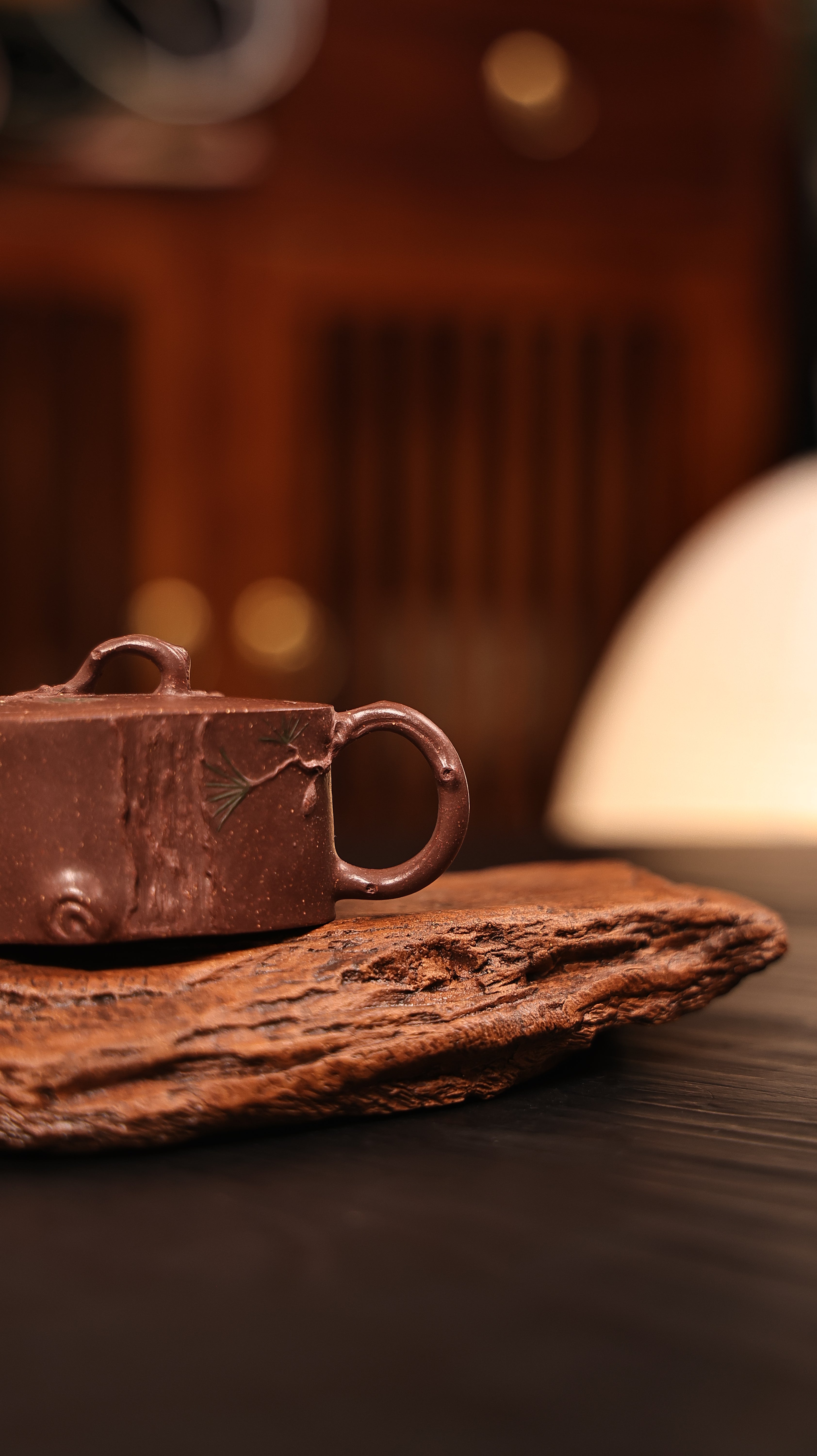
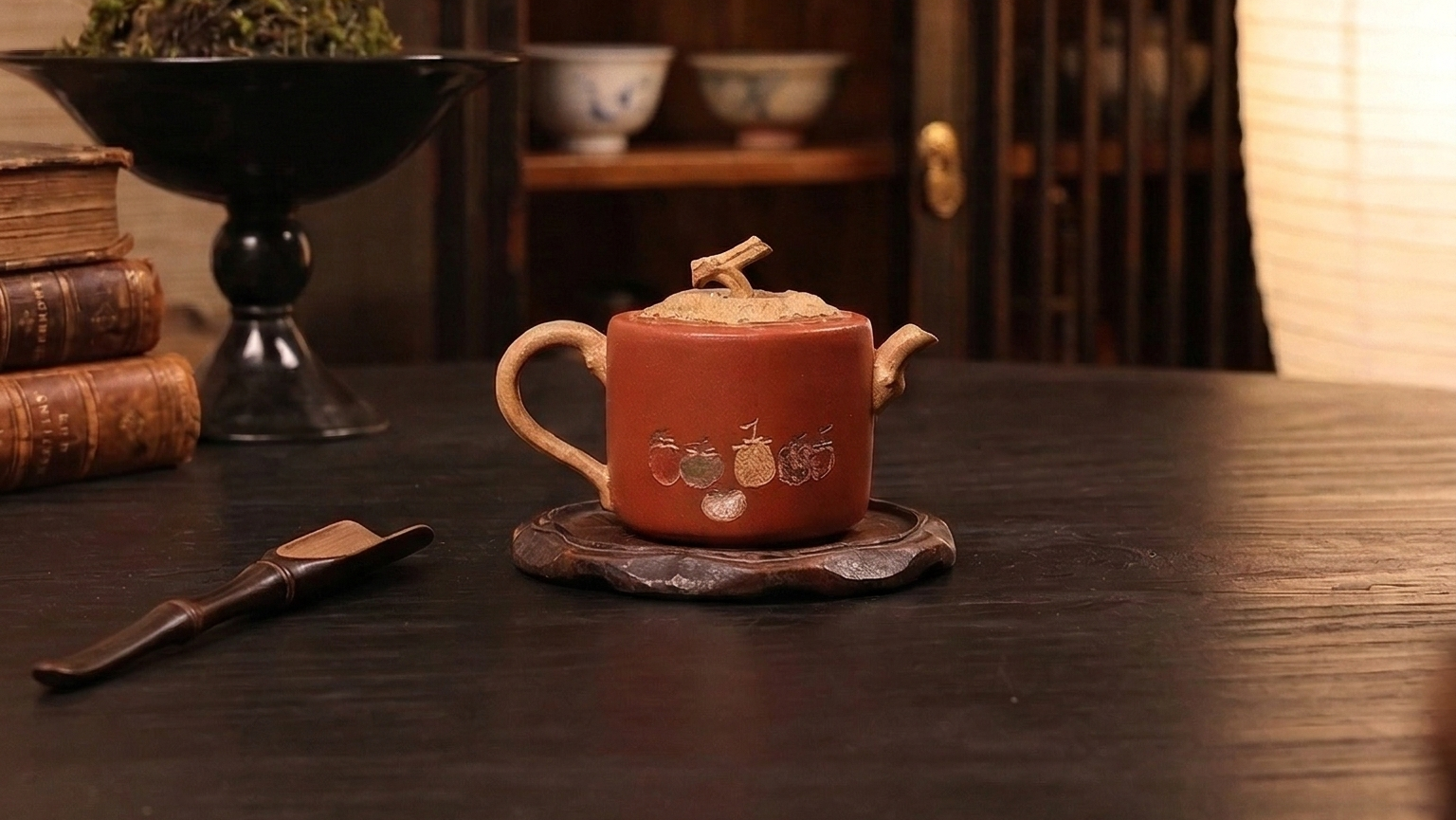
Throughout decades, enthusiasts have been fascinated by the rare charm of Yixing Zisha carafes. Originating from the locality of Yixing in the region of Jiangsu, these containers are renowned for their exceptional beauty, scarce clay, and intrinsic ability to perfect the savor of the beverage. The element's distinctive auburn hue, combined with the proficient production of environmental potters, creates objects that are both functional art and valuable assets. Owning a Zisha teapot is more than just an purchase; it's immersing oneself in a rich traditional heritage.
Exploring Yixing Teapots: Background, Varieties, and Value
This Yixing teapots are a rich background deeply intertwined with Chinese culture. Starting in the Yixing region of Jiangsu province, these clay vessels exhibit a heritage connecting back to the Ming Dynasty. Preliminary copyrightples were functional, but amidst centuries, Yixing teapot fabrication evolved into an esteemed art form. The clay itself, known for its unique structure and ability to influence the flavor of the tea, persists a defining factor. Yixing teapots materialize in various kinds, broadly categorized by shape: Established such as Zhuni (purple clay) and Bisheng, as well as distinct designs. The price of a Yixing teapot depends on several factors, including the potter’s acclaim, the age of the piece, the rarity of the clay, and its Chinese Teapot aesthetic grace.- Chronology: Founding era
- Material: Zhuni (purple clay)
- Estimation Aspects: Craftsman's renown
Zisha Claycraft: Skills and Makers
That production of a original Zisha teapot is a complicated process, requiring generations of mastery. Seasoned artisans meticulously source the excellent Zisha clay, a uncommon earth found only in specific regions of China. Time-honored techniques, often bequeathed through families, involve accurate shaping, nuanced carving, and deliberate firing in ancient ovens. The culminating teapot isn't merely a holder; it's a testament to creative vision and the serious connection between the craftsman and their background. Each object showcases the special touch of the craftsman, resulting in a truly one-of-a-kind work of creation.
Chinese Earthenware: Investigating the Rich Cultures of the Yixing Locality
Yixing, placed in Jiangsu Province, is worldwide renowned for its exceptional teapots – a tangible representation of centuries of Chinese heritage. These aren't merely vessels for processing tea; they are intricate works of craftsmanship, often reflecting ideological ideals. The unique purple clay, known as Zisha, possesses unique qualities: the matter dense, open to air, and imparts a subtle nuance to the tea.
- Several households have honed the techniques of Yixing earthenware making, passing down ancient methods through eras.
- Followers prize these pieces for their elegance and exclusiveness.
- Particular vessel tells a legend, connecting the recipient to a rich legacy.
Exploring Yixing Zisha: Key Considerations
During analyzing procuring Yixing Zisha vessels, countless criteria command careful assessment. To begin with, the material's tint is key; authentic Zisha conventionally exhibits a pronounced reddish cast. Additionally, investigate the execution; exacting attributes and a clean surface suggest talented creation. In conclusion, review the craftsman's credentials; famous names earn enhanced amounts and often grant a more dividend.
The Art of Brewing Tea with a Zisha Teapot
Preparing exquisite tea with a Zisha pot is more exceeding a simple method; it's an discipline. Zisha clay, celebrated for its unique earthen composition, imparts a subtle character to the finished tea that’s often wanting with other implements. The suitable water intensity is necessary; typically, softer than what's used for black tea, to keep the tea's scent and taste. Consider carefully the tea form; delicate green teas or aged pu-erhs improve from the Zisha’s ability to ease their innate edge. It’s necessary to rinse the teapot before brewing, and to exclude over-steeping. Mastering this skill leads to a sincerely exceptional tea enjoyment.
- Understanding Zisha Clay
- Thermal Measure & Tea Type
- Essence of Tempering
Looking After Your Distinctive Vessel
To sustain the durability of your prized Yixing ceramic pot, steady upkeep is decisively indispensable. Do not using synthetic products; instead, carefully wash it with pleasantly heated moisture. Steer clear of unexpected shifts; refrain lay the teapot directly onto a searing area. Periodically, enrich the vessel by filtering it with premium specialty beverage, as this helps to increase its character and shields the unique features of the clay.
Pertaining to Clay to Goblet: The Journey of a Renowned Ceramic
This creation of a Zisha teapot is a notable technique, a indication to both the world's bounty and the mastery of the specialist. It starts with the diligent extraction of the special clay from the plum Zisha mines around Yixing. This virgin material, known for its exquisite features, is then methodically cleaned and shaped for the early forming. The teapot's design is artfully crafted using a blend of historical manipulating approaches, often incorporating elaborate figurings. Following seasoning, the vessel undergoes a decisive first firing, consecutively done by a glazing stage, which might involve various layers of earthy Zisha overlays. Finally, a second, and sometimes third, firing at powerful temperatures brings the creation, revealing its conclusive beauty and extraordinary characteristics - a bona fide masterpiece, arranged to grace a tea ritual.
{Yixing Teapots: A Token of the Custom and Tribute
Legendary Yixing teapots, originating from the noted Yixing region of Jiangsu province, are far more than mere vessels for brewing the beverage; they represent a deep aspect of Chinese artistry. Formed from distinctive purple clay – zisha – these singular teapots are highly coveted for their ability to elevate the flavor of the tea and, crucially, for their charm. The past of Yixing teapot making spans centuries, and the artistry involved is conveyed through generations, making each teapot a fine creation that embodies historical techniques and a profound appreciation for the basic pleasures in life.