Launching this review on Altered Soybean Fat (ESO)
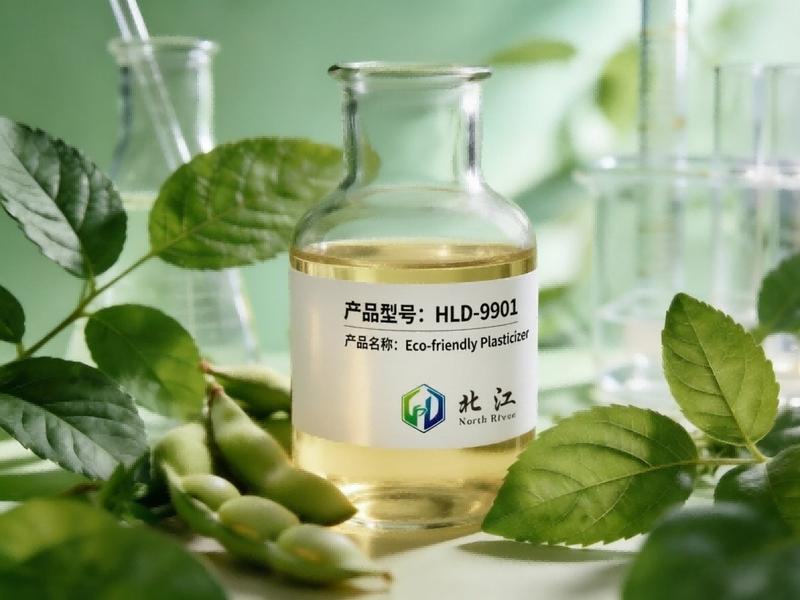
{Surging fears related to conventional softeners present propelled that hunt in eco-conscious options. Modified soybean lipid (ESO) materializes as a prospective resolution. Harvested from a biological basis, ESO renders a considerable reduction in reliance on petroleum fuels and adds to a greater regenerative structure. Additionally, ESO bestows superior elasticity and congruence to several synthetic compositions, enabling it a fitting selection for a wide set of tasks.
Neutral-Odor Medicinal Rank ESBO: Achieving Rigorous Specifications
This development of low-odor medical grade ESBOs represents a major evolution in patient care and contentment. Traditional ESBOs often show noticeable odors, which can be concerning for both patients and practitioners. Our new formulation utilizes innovative technology to minimize odor generation, aligning with rigorous market standards. These ESBOs are fabricated from high-quality materials and undergo exhaustive testing to ascertain biocompatibility and maximum performance. In particular, this commodity addresses the growing need for mild procedures with a enhanced patient experience.
- Offers exceptional odor control.
- Observes appropriate healthcare regulations.
- Engineered for greatest patient satisfaction.
High Resistivity ESBO: Enhancing Electrical Properties in Plastics
This progressive system, Electrostatic Barrier Structuring (ESBO), renders a hopeful path for refining the energy capabilities of several polymer constituents. By deliberately supervising outer charge dispersion, ESBO generates significantly non-conductive covers on the thermoplastic underlayer, substantially diminishing total passage. One effects induce to greater conductive separation and prospect for applications in regions notably pliable machines and high-power defense setups.Sustainable Conditioner: ESBO's Role in Eco Material Processes
One accelerating demand for environmentally conscious resources has driven experts to pursue alternatives to standard plasticizers. Launching ESBO (Epoxidized Soybean Oil), our plant-derived plasticizer produced from oil seeds – playing significant duty in fostering Epoxidized Soybean Oil (ESBO) the responsible manufacturing of assorted biopolymer uses. Its capacity to strengthen stretchability and treatability while lessening natural consequence forms ESBO recommended preference for biodegradable-polymer coverings and different synthetic manufactures.ESBO Performance: Comparing Grades and Applications
Studying respective performance requires a detailed examination at both student marks and the volume of processed forms. Often, a robust correlation is found between outstanding ratings and the possibility of accepted requests; however, considerations such as person's history and additional engagements can also play a serious involvement.
Learning Epoxidized Soybean Oil (ESBO) and its Benefits
Epoxidized seed Oil (ESBO) signifies a adjusted form of bean oil, developed through a chemical process that adds epoxy groups. One creates a individual plasticizer and stabilizer, widely applied in the rubber industry. ESBO serves primarily as a equivalent for deleterious phthalate plasticizers, granting a more green solution. Consider the key benefits:- Fortifies flexibility and endurance of materials
- Lessens the need for toxic phthalates
- Presents excellent heat endurance
- Acts as a guard against degradation
- Facilitates a environmentally sound manufacturing process
Clinical Equipment Manufacturing: Leveraging Low-Odor ESBO
Recent trends in health manufacturing are emphasizing a conversion toward resource-efficient processes. A significant component of this is the incorporation of low-odor ESBO (Embossed, Stuccoed, Bonded, and Oven-cured) polymers. Traditional ESBO manufacturing can exude noticeable odors, posing a hurdle for personnel wellbeing and comprehensive facility ambience. Low-odor ESBO solutions alleviate these releases, creating a cleaner workplace and can reducing the obligation for large ventilation.- Positives include improved air cleanness.
- Lowers exposure to likely injurious VOCs.
- Supports observance with rigorous protection guidelines.
Boosting Plastic Durability: The Power of High Resistivity ESBO
Increase polymers' extended stability via top-level retardation the solution. Our innovative strategy markedly mitigates deterioration brought on because of environmental influences, particularly beam radiation even dynamic tension. ESBO's distinct electric traits develop a shielding impact, yielding to into sustained service and/or better material stability.
ESBO: Prospects for Plasticizers
Emerging as a significant alternative to traditional, petroleum-based softeners, ESBO (Ethyl Soyate-based Oligomers) is building considerable interest within the synthetics industry. Derived from legumes, this bio-based element offers a clean profile and the prospect to mitigate the carbon footprint of polymer-based PVC and other operations. Introductory assessments indicate notable efficacy comparable to prevailing plasticizers, suggesting ESBO could act a important factor in shaping the landscape of the additive market.Concluding the assessment.