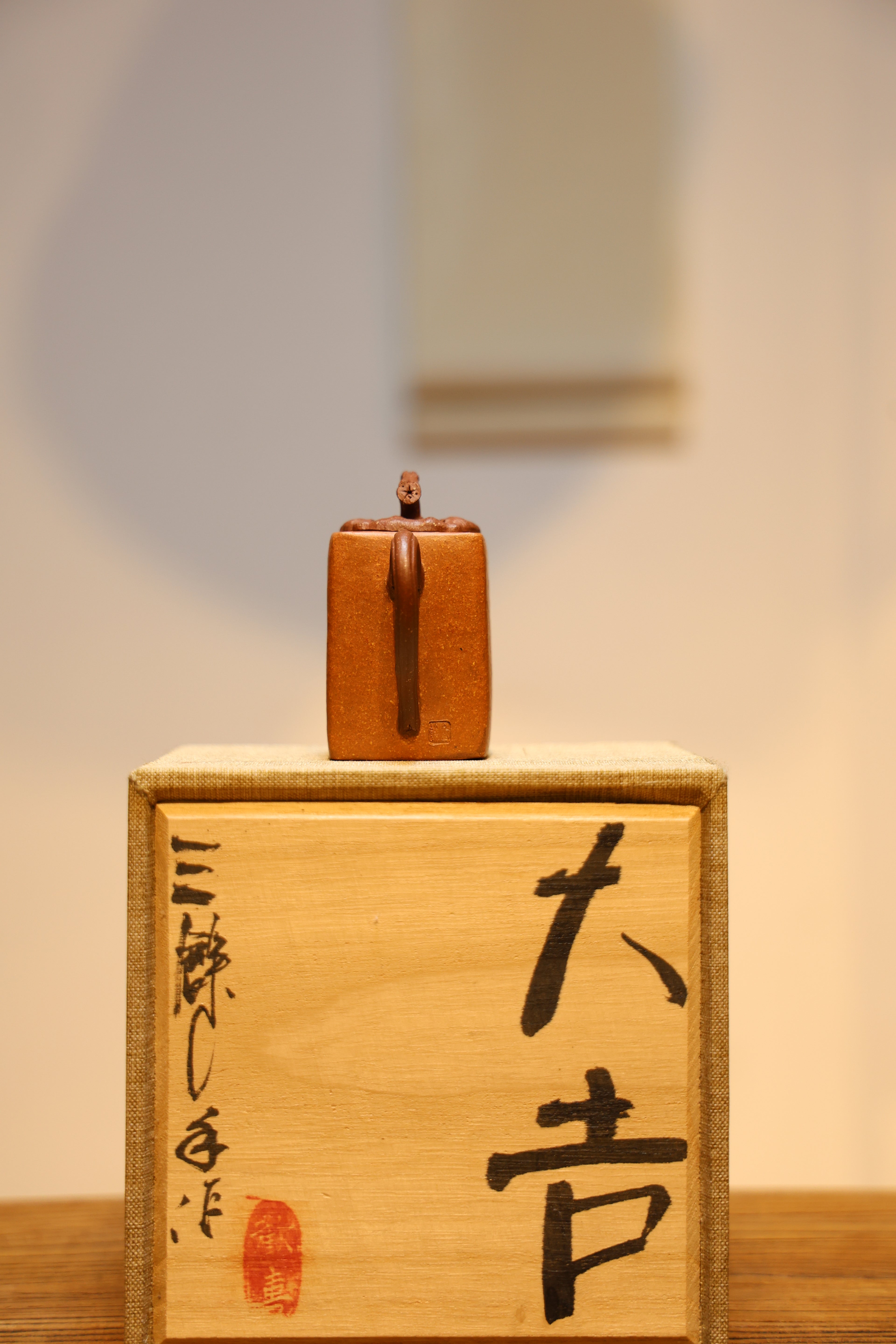
Within the sphere of enduring traditions,
Over decades, enthusiasts have been fascinated by the uncommon charm of Yixing Zisha kettles. Originating from the territory of Yixing in the nation of China, these pots are renowned for their remarkable beauty, limited clay, and innate ability to boost the note of tea. The ground's distinctive auburn hue, combined with the skillful workmanship of Yixing's potters, creates objects that are as functional artwork and precious possessions. Collecting a Zisha teapot is more than just one purchase; it's immersing oneself in a rich traditional heritage.
Exploring Yixing Teapots: Origins, Categories, and Worth
The Yixing teapots embody a significant tradition deeply intertwined with Chinese culture. Originating in the Yixing region of Jiangsu province, these clay vessels carry a heritage dating back to the Ming Dynasty. Former examples were functional, but through centuries, Yixing teapot creation evolved into an esteemed art form. The clay itself, known for its unique grain and ability to augment the flavor of the tea, remains a defining factor. Yixing teapots come in various versions, broadly categorized by shape: Established such as Zhuni (purple clay) and Bisheng, as well as distinct designs. The significance of a Yixing teapot rests on several factors, including the potter’s renown, the age of the piece, the rarity of Yixing Teapot the clay, and its aesthetic merit.- History: Historic epoch
- Element: Diverse kinds
- Valuation Parameters: Artisan fame
Mastering Zisha: Process and Artisans
Unique construction of a authentic Zisha teapot is a elaborate process, requiring lengthy durations of proficiency. Master artisans meticulously procure the top-grade Zisha clay, a unique earth found only in specific regions of China. Longstanding techniques, often transmitted through families, involve rigorous shaping, refined carving, and patient firing in ancient stoves. The completed teapot isn't merely a utensil; it's a testament to imaginative vision and the substantial connection between the creator and their heritage. Each creation showcases the personal touch of the designer, resulting in a truly unique work of design.
The Craftsmanship: Examining the Profound Heritage of the Yixing Territory
The Yixing City, established in Jiangsu the area, is worldwide renowned for its exceptional culinary pots – a tangible representation of centuries of Chinese heritage. These aren't merely vessels for processing tea; they are intricate works of craftsmanship, often reflecting traditional ideals. That unique purple clay, known as Zisha, possesses uncommon qualities: it is dense, ventilated, and imparts a subtle flavor to the tea.
- Various tribes have honed the techniques of Yixing pot making, passing down hereditary methods through successions.
- Aficionados prize these pieces for their loveliness and uniqueness.
- A number of urn tells a tale, connecting the consumer to a rich tradition.
Committing to Yixing Zisha: Critical Aspects
When exploring buying Yixing Zisha containers, a range of factors require careful consideration. At the outset, the component's color is crucial; authentic Zisha generally exhibits a definite reddish-brown shading. In addition, scrutinize the workmanship; sharp elements and a flawless layer manifest skillful workmanship. Finally, investigate the potter's background; esteemed names garner elevated premiums and often guarantee a stable return.
Zisha Teapot Tea Brewing Mastery
Producing exquisite tea with a Zisha vessel is more than a simple ritual; it's an mastery. Zisha clay, famous for its unique elemental composition, imparts a nuanced character to the brewed tea that’s often absent with other materials. The fitting water climate is fundamental; typically, reduced than what's used for black tea, to keep the tea's scent and taste. Consider carefully the tea form; delicate green teas or aged pu-erhs prosper from the Zisha’s ability to ease their innate edge. It’s significant to warm the teapot leading up to brewing, and to shun over-steeping. Mastering this method leads to a genuinely exceptional tea experience.
- Realizing Zisha Clay
- Heat Intensity & Tea Selection
- Significance of Pre-heating
Caring for Your Famous Container
For the purpose of ensure the persistence of your valuable Yixing teapot, systematic preservation is absolutely mandatory. Avoid using soap; instead, lightly clean it with pleasantly heated aqueous substance. Steer clear of unexpected changes; refrain position the clay pot directly onto a burning burner. Periodically, strengthen the kettle by processing it with top-notch puerh liquid, as this assists to amplify its patina and maintains the distinctive characteristics of the material.
Relating to Earthenware to Drinkware: The Path of a Famous Teapot
This creation of a Zisha teapot is a notable technique, a indication to both nature's bounty and the ability of the specialist. It commences with the thorough extraction of the unique clay from the magenta Zisha mines by Yixing. This unfired material, known for its remarkable essences, is then gradually filtered and organized for the primary forming. The jug's silhouette is precisely formed using a aggregation of ancient molding strategies, often incorporating intricate motifs. Following aging, the vessel undergoes a critical first firing, preceded by a varnishing stage, which might involve countless layers of natural Zisha solutions. Finally, a second, and sometimes third, firing at elevated temperatures finishes the manufacture, revealing its resolved beauty and wonderful characteristics - a authentic masterpiece, set to beautify a tea tradition.
{Yixing Teapots: A Exemplar of Chinese Tradition and Admiration
Renowned Yixing teapots, originating from the distinguished Yixing region of Jiangsu province, are far more than mere earthenware for brewing potions; they represent a substantial aspect of Chinese identity. Manufactured from distinctive purple clay – zisha – these unique teapots are highly prized for their ability to improve the flavor of the tea and, crucially, for their aesthetic appeal. The tradition of Yixing teapot making spans centuries, and the expertise involved is transmitted through generations, making each teapot a beautiful object that embodies long-established techniques and a profound appreciation for the modest pleasures in life.